Waiting - White Poverty, South Africa
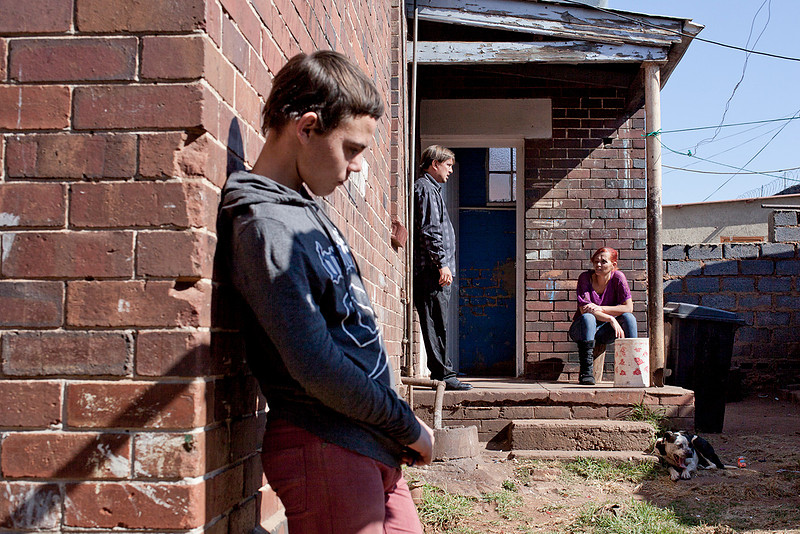
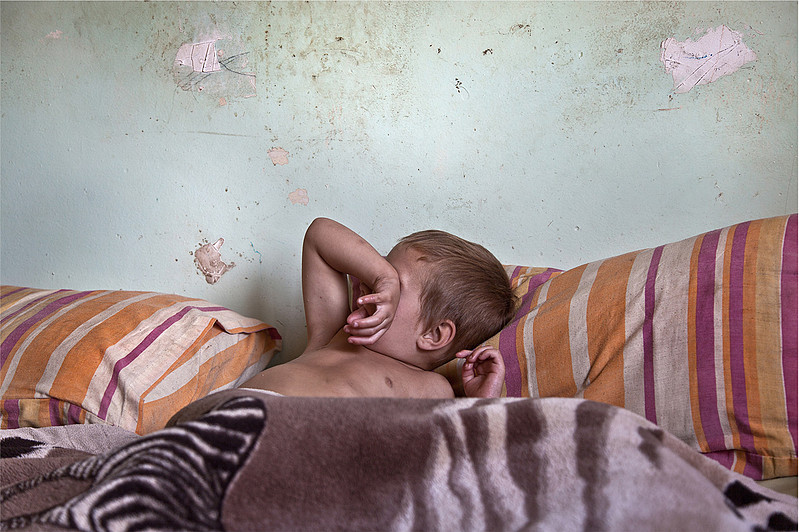
Living in an area with high unemployment on the outskirts of Johannesburg. A boys waits for something to happen or someone to call. No electronic devices await him, just contemplation. Published by the BBC as part of 'Africa in Pictures. https://www.bbc.co.uk/news/in-pictures-47073703
Kolmanskop Ghost Town, Namibia
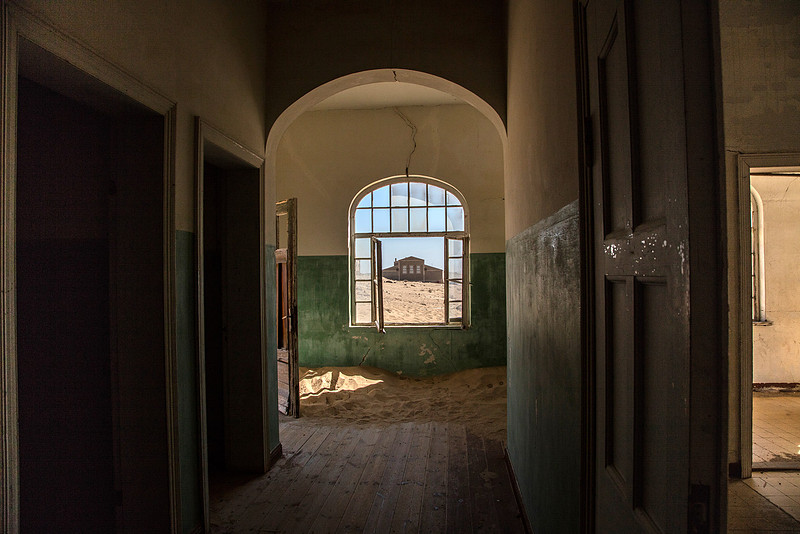
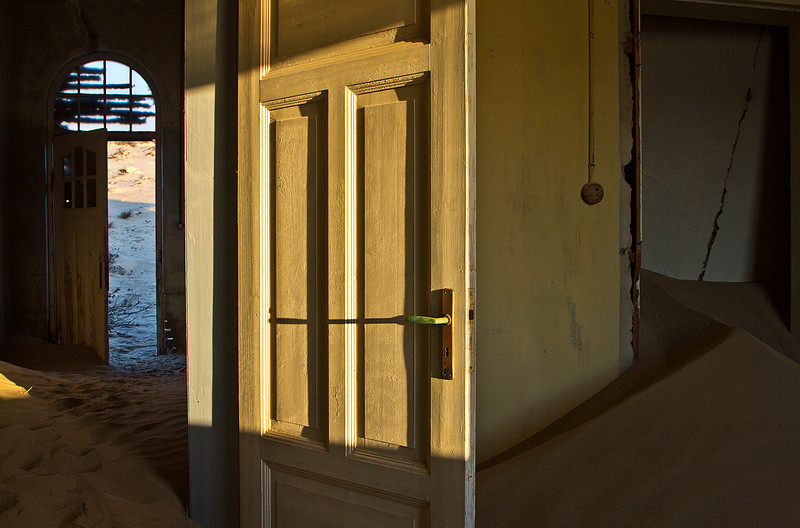
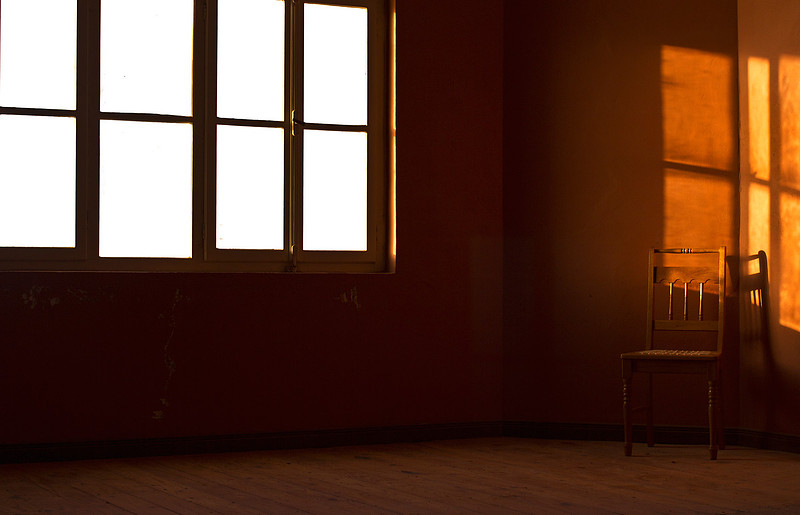
Kolmanskop Ghost Town, Namibia. By Jayne Haywood. Between 1905 and 1907, a 200-kilometre railway from Aus to Luderitz was constructed using 2014 prisoners from Shark Island concentration camp.One worker Zacharias lewala handed his foreman and unusual shiny stone that he found and it was confirmed that it was later confirmed to be a diamond, sparking diamond frenzy. Within two years Kolmanskop mining town was completed with everything needed for it’s inhabitancy, including houses, schools, hospital and leisure facilities. It is hard to imagine that in the African desert more than one hundred years ago there was a theatre, casino, gym, swimming pool, film shows and a skittle alley. More than 700 families lived in the town made up of 300 Germans adults, 40 children and 800 native Ovambo contract workers. Between them, the residents were responsible for extracting 1,00 carats a day and more than 100 kg before the First World War. Following the discovery of bigger and better diamonds in nearby Elizabeth Bay, Kolmanskop was left to deteriorate in to a ghost town with the last families leaving in 1954. In 1980, De Beers Mining Company restored some of the buildings and established a museum with restricted visiting hours. The museum, which is still open today, is being devoured by the desert sand and may ultimately disappear.
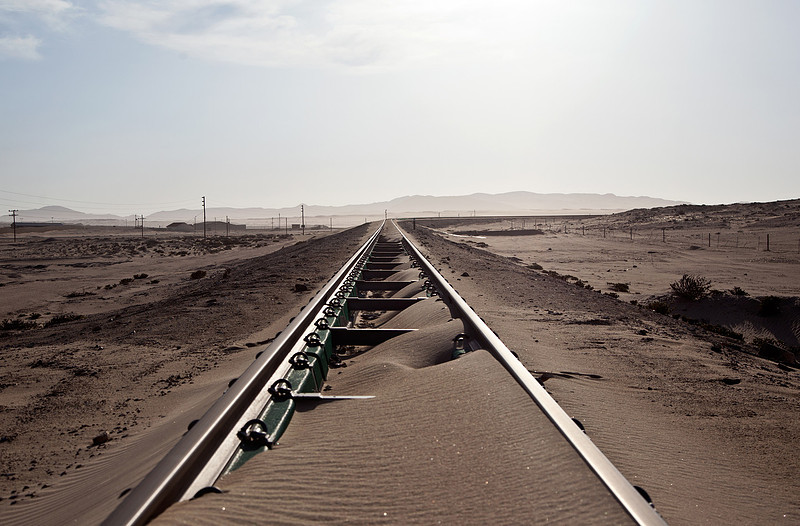
Railway line from Kolmanskop to Windhoek
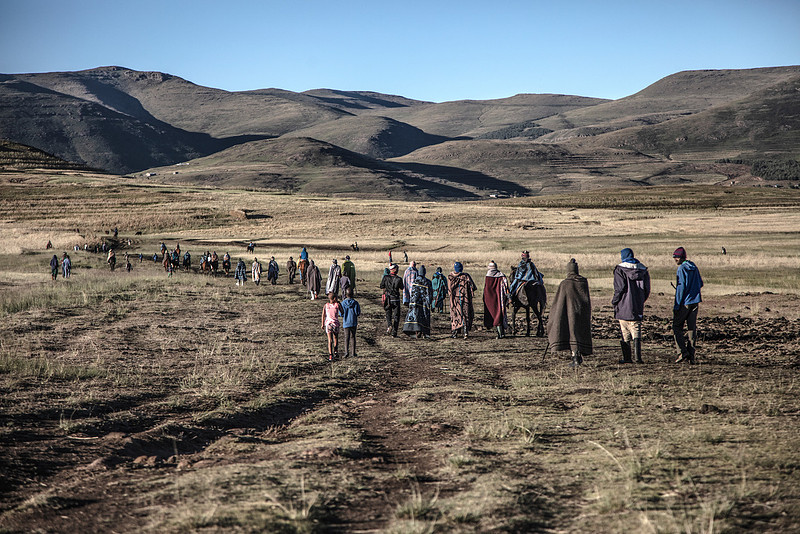
Traditional Horse Racing LesothoTraditional Horse Racing - Lesotho Traditional horse racing takes place at altitude, in the mountains and hills of Lesotho on the outskirts of the small village, Semonkong. The monthly events take place during the winter months, when rain fall is scarce and the ground is hard. The horses that take part are a mixture of Bestho bred horses and thoroughbreds, and throughout the afternoon approximately six races are run. The starting line is indicated by a flag and the horses race on a straight that varies between 1.2 and 1.8 kilometres. Unlicensed betting takes place and the owners of the first four horses in each race win between £15 and £55. Traditional horse racing in Lesotho pulls in crowds from near and far and is a significant time of the year on the Lesotho calendar for making money, as well as being a big social occasion.
Difficult to access by car, cold conditions and altitude are but a few of the conditions, that make reaching this place a reward in itself.. After traveling for eight hours by car and following G.P.S coordinate’s I arrived in an open space between some hills and mountains, hoping this was going to be the place where the horse racing was going to take place. There was no one around to confirm this, so I waited, after an hour or so a woman wondered along the track next to my car. I got out and asked her if she knew anything about the racing scheduled for that day, she did not speak English and even with a brief game of charades, it was evident that I was not going to get an answer to my question. I waited, and I waited, eventually a few more people arrived at a wooden makeshift tuck shop across the track, bringing along with them a few bags of sweets, which they neatly laid out along the wooden crates outside the rural shop. I went over to the small group and introduced myself, most responded with smiles, others looked at me oddly. It was evident very quickly that no one here spoke English either. Despite this, we managed to reach a kind of understanding, and from what I could work out, the horse racing was going to take place today. Through hand signals and gestures, I understood that the race would take place in the field across from where we were standing, however the time of the race was unknown. Eventually at around midday in the distant hills, I spotted a lone horse man, trotting towards the open field. As he got closer the blanket clad rider, wearing a balaclava dismounted his horse and approached the women at the tuck shop, a few words were exchanged and one of the women gave me the thumbs up. I took this as an indication the race was soon to begin. A few more minutes past and a few 4 x 4 vehicles arrived and parked on the side of hill about a mile from where I was standing. I figured this was it, this must be the spot, so I headed over on foot and after trekking uphill and downhill I arrived at the spot, by this time a small crowd had arrived. From the top of the hill I had a 360-degree view or the surrounding area, the sight that followed was an astonishing, I watched as riders and horses approached from all angles, heading down the mountains and hills followed by large groups of villagers. This was the start of what seemed to be a very excitable, and at the same time casual beginning of, a day at the races, Lesotho style.
Who is this woman, what is she doing here, was my interpretation of the odd looks I got from everyone who passed me by on that day. Surrounded by men in blankets wearing balaclavas with no women around, I have to say made me feel somewhat intimidated. After a while, people seemed to become more excepting of my presence and I had become less of an exhibition. As the area became more crowded and women and children began to arrive, makeshift stalls started to appear, some preparing food and some selling drinks. Desperate to start photographing, I got my camera out of my back pack and held it low down in my hand, strap tightly wrapped around my wrist. I did no shooting for at least half an hour, I wanted the people to see my camera first to see if there would be any objections to me using it, no one seemed to be too concerned, so I did some casual shots from a distance, avoiding directly pointing my camera at anyone. Once the horses started to parade around, things really started to get underway and it was easy to shoot. Bookies stood aloft on old pallets, men gathered around them waving money in the air. There were cheers, shouting and a lot of pushing and shoving and before I knew it, several horses and their jockeys were heading across the field to the starting line. I use the words starting line loosely, what it is actually, is an invisible line across the other side of the field, where the horses chaotically congregated. Soon after a flag was waved and the race began and then it stopped, a false start. This happened several times before the race eventually ran, but when it did the crowd went wild. Running down from there standing positions on the hillside, towards the finish line, was an amazing sight and was the beginning of what was to be a great day and an amazing experience for me and the people around me. As the afternoon past and the races ran, the race goers socialised, the men drank home brew and the women prepared food. On a few occasions, disputes over some of the winning horse and whose horse had been the fastest, took place. Sometimes, almost turning violent, but always calmed down by other fellow race goers. The general atmosphere on the day, was clearly apparent, excitement, passions, pride and enjoyment for all involved. The much waited for start, of what was going to be a significant series of social occasions on the Lesotho calendar. As the day drew to close and the last race had run, the crowds quickly dispersed, the temperature was dropping and the sun was almost down. Unable to leave, until every man and horse had left, I stood alone in the space for a moment of contemplation. Looking around at the vast open fields, surrounded by rolling hills and mountains, it was hard to believe that less than 10 minutes previous this space was filled with horses and people, joy and disappointment, excitement and caution, now it was as if nothing had ever happened here.
Msawawa informal settlement fire, Johannesburg.Msawawa Informal Settlement By Jayne Haywood Msawawa Informal Settlement in Kya Sands, first established in the 1990’s, occupies government and private land. The area has recently been under the spotlight due to the insanitary living conditions causing a health hazard to residents. Overcrowded conditions with so many shacks close together, and the majority of cooking and heating facilities using open flames, have resulted in outbreaks of fire on a regular basis. On Thursday November the 12th 2015 a large fire broke out, damaging more than one hundred shacks and leaving over one thousand homeless. Residents who were there at the time managed to rescue most of their belonging before the fire reached their homes. Those who were out lost everything: including furnishings, food, electrical goods, clothing, bedding, school books and important documents. May of the homeless spent the first night sleeping on the open in neighbouring fields. Emergency aid was provided the following morning by Shoprite, Gift of the Givers and local residents of Kya Sands who supplied food, clothing, blankets and baby products.
White Poverty in South AfricaWhite Poverty in South Africa by Jayne Haywood Upon arriving back in South Africa in 2014 it is clear to see the shift in the living standards of the White South African from when I first arrived in 2005. The end of apartheid in 1994 and the introduction of Black Economic Empowerment (a government policy designed to improve discrimination in the work place) have brought about a change in the living standards of the working class, white South African. The working class, white South African, a faction of South African society, who may have been better off during Apartheid, now finds itself in high-level unemployment, with declining living standards in health care and education.
Changes in social attitudes and socio economics have resulted in an emerging hierarchy within the working class, defined by the living standards of this group. These standards range from brick housing in the suburbs, to shack living in squatter camps, and at the bottom of the scale you find street dwellers. The dynamics between cultures are changing in the way that the stereotypical white working class South African life style looks today. Now grouped by need rather than creed, colour or language. We now see an integrated society, where black, white, coloured and mixed raced families live together gaining daily support from one another. There is little by way of state benefit, the elderly are given a monthly pension of R1600, the equivalent of approximately £80 and in many cases this money goes to feeding an entire family and sometimes their extended family.Families with children can get up to R300 a month per child and adults get nothing. Soup kitchens and charities often help to make up the short fall. Those fortunate enough to have a roof over their head tend to rent out areas of their garden, filling the spaces with make shift shacks, old vans or anything that could be described as shelter.
Education is subsidised, primary children are schooled for free and secondary schools charge around R350 – R500 per student. Sometimes meals and learning books are provided, paper and stationary is not. Health care is free in substandard hospitals, often with lengthy waiting lists for operations and procedures, a sick person can sometimes return daily and stand in a queue for up to 2 – 3 days before being seen by a doctor. The images in this documentary were taken in an area called ‘Jan Hofmeyer’, a small community on the outskirts of Johannesburg, where families are living below the poverty line in previously owned local authority houses, that were given to the occupants during the apartheid government. The houses are in a state of dilapidation, with no money for basic renovations. During my time there, I spent a lot of time getting to know the residents and listening to their daily challenges involving unemployment, drug abuse, poor health and education. Almost everybody I spoke to could see no way out of their predicament and many had resorted to crime, alcohol and drug addiction.
« Older Posts
© Jayne Haywood
|